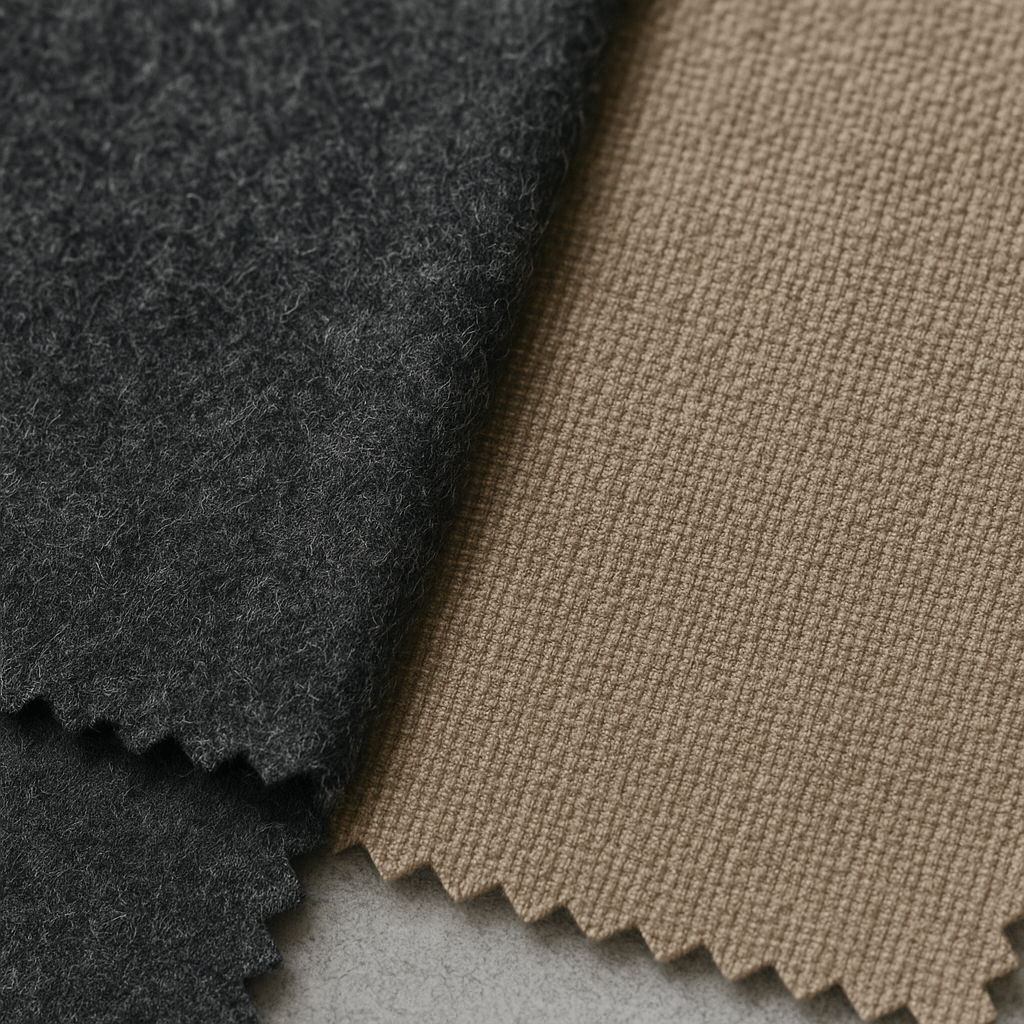
“The Difference Between Premium and Standard Fabrics — What Luxury Brands Should Know”
✅ Top Recommendation for Today (Fast & High Value)
“The Difference Between Premium and Standard Fabrics — What Luxury Brands Should Know”
Why this works today:
-
- Naturally follows your Fabric & Trim Sourcing blog
-
- Educates designers without repeating content
-
- Positions you as an expert, not just a supplier
-
- Very SEO-friendly
Key sections:
-
- What makes a fabric “premium” (fibre quality, finishing, origin)
-
- How standard fabrics behave differently in production
-
- Why premium fabrics cost more (and when they’re worth it)
-
- Examples: wool vs Italian wool, basic lining vs premium lining
-
- Common mistakes brands make when choosing cheaper fabrics
SEO keywords:
“premium fabrics vs standard fabrics”,
“luxury fabric quality guide”,
“how to choose premium fabrics uk”.
🔥 Other Excellent Blog Ideas You Could Publish Today
2. “What Designers Often Get Wrong About Fabric Weight and Drape”
Why:
-
- Very educational
-
- Shows technical authority
-
- Great for designers at sampling stage
Sections:
-
- Why weight affects silhouette
-
- Drape vs structure explained simply
-
- How fabric choice affects fit
-
- When heavier isn’t better
-
- How manufacturers test drape
3. “A Beginner’s Guide to Fabric Sampling for Fashion Brands”
Why:
-
- Perfect for emerging brands
-
- Links naturally to your sampling services
-
- High search intent
Sections:
-
- What fabric sampling actually means
-
- How many samples brands really need
-
- Common sampling mistakes
-
- How long sampling should take
-
- When to approve vs revise
4. “How Fabric Choice Impacts Garment Cost (And How to Control It)”
Why:
-
- Brands care deeply about pricing
-
- Builds trust and transparency
-
- Supports your quoting process
Sections:
-
- Fabric consumption explained
-
- Yield, wastage, and width
-
- Imported vs locally sourced fabrics
-
- Trims that quietly increase cost
-
- Smart ways to balance luxury and budget
5. “From Fabric Swatch to Finished Garment: What Happens in Between”
Why:
-
- Behind-the-scenes content performs well
-
- Builds appreciation for manufacturing
-
- Great for storytelling
Sections:
-
- Fabric testing
-
- Pattern development
-
- Sampling
-
- Production planning
-
- Quality control
6. “Choosing Fabrics for Your First Womenswear Collection”
Why:
-
- Perfect for start-ups (your core audience)
-
- Evergreen content
-
- Very shareable
Sections:
-
- Start with silhouette, not fabric
-
- Safe fabrics for first collections
-
- Fabrics to avoid early on
-
- How to keep collections cohesive
-
- When to introduce premium materials
🧠 If You Want Something Shorter Today
If you want a lighter post today and a bigger one tomorrow:
-
- “5 Fabrics That Instantly Elevate a Womenswear Collection”
-
- “Why Fabric Choice Matters More Than Design (Sometimes)”
-
- “The Most Common Fabric Mistakes New Fashion Brands Make”
📌 My Honest Recommendation
If you’re publishing today, I’d choose:
👉 “The Difference Between Premium and Standard Fabrics — What Luxury Brands Should Know”
It:
-
- Builds perfectly on your last post
-
- Reinforces your luxury positioning
-
- Educates without overwhelming
-
- Attracts both start-ups and established brands
If you want, I can:
-
- ✍️ Write the full 1000-word blog today
-
- 🖼️ Generate a banner + 3 matching images
-
- 🔍 Provide SEO meta title & description
-
- 🧱 Suggest internal links to your Fabric Types and Services pages
Just tell me which one you want to go with 👌
ok great in uk English
Perfect 👍
Here is the full blog post written in UK English, ready to publish today.
The Difference Between Premium and Standard Fabrics — What Luxury Brands Should Know
For fashion brands producing womenswear at the higher end of the market, fabric choice is one of the most important decisions in the entire design and manufacturing process. While silhouettes, colour palettes and branding all play a role in how a collection is perceived, it is the fabric that ultimately determines how a garment looks, feels, performs and lasts.
Understanding the difference between premium fabrics and standard fabrics is essential for any brand positioning itself as luxury or premium. The distinction goes far beyond price — it affects drape, durability, comfort, sustainability, and the overall quality of the finished garment.
At The Clothing Manufacturers, we work with brands at every stage of development, and fabric selection is one of the most common areas where clarity is needed. This guide explains what truly separates premium fabrics from standard ones, and why it matters for luxury womenswear.
What Makes a Fabric “Premium”?
A premium fabric is defined by a combination of factors rather than a single characteristic. These include fibre quality, manufacturing process, finishing, performance, and consistency.
1. Fibre Quality
Premium fabrics are typically made from higher-grade fibres. For example:
-
- Long-staple cotton rather than short-staple
-
- Fine merino or cashmere instead of coarse wool
-
- High-quality polyamide blends rather than basic synthetics
Higher-quality fibres result in softer handle, improved durability, and better appearance over time.
2. Weaving and Construction
Luxury fabrics are woven or knitted with greater precision. Tighter weaves, balanced tension, and consistent yarn thickness all contribute to fabric stability and performance. This is particularly important for tailoring, outerwear, and structured garments.
3. Finishing Techniques
Premium fabrics undergo advanced finishing processes such as brushing, enzyme washing, double shrinking, or surface treatments. These finishes enhance softness, improve drape, reduce pilling, and ensure colour consistency.
4. Consistency and Reliability
Luxury manufacturing relies on consistency across rolls. Premium mills offer tighter quality control, ensuring colour, texture and weight remain uniform — which is essential for production runs.
What Are Standard Fabrics?
Standard fabrics are typically designed for cost efficiency and mass production. They serve an important role in the industry, particularly for entry-level fashion, promotional garments, or trend-led fast production.
However, they often differ from premium fabrics in several ways:
-
- Less refined fibre quality
-
- Simpler weaving or knitting
-
- Minimal finishing processes
-
- Greater variation between batches
-
- Shorter lifespan after repeated wear or washing
While standard fabrics may look acceptable initially, they can quickly lose shape, pill, fade, or feel uncomfortable against the skin.
How Fabric Choice Affects the Finished Garment
Drape and Silhouette
Premium fabrics behave predictably. They fall, fold, and move as intended, which is critical for womenswear silhouettes. Standard fabrics may feel stiff, collapse incorrectly, or fail to hold structure.
Fit and Comfort
Luxury fabrics adapt better to the body, offering comfort without compromising shape. Breathability, stretch recovery, and softness all play a role in how a garment feels when worn.
Durability
Premium fabrics are designed to withstand repeated wear, cleaning, and handling. This is especially important for coats, jackets, tailored pieces, and garments sold at higher price points.
Perceived Value
Customers may not know the technical details of a fabric, but they can feel the difference. The weight, texture and movement of premium materials immediately communicate quality and justify price.
Premium vs Standard: Common Fabric Comparisons
Wool vs Italian Wool
Italian wool is prized for its superior finishing, softness, and consistency. It drapes more elegantly, feels smoother to the touch, and maintains structure over time compared to generic wool.
Basic Lining vs Premium Lining
A premium lining improves comfort, breathability and wearability. It reduces friction, supports movement, and enhances the overall feel of the garment — particularly in tailored and outerwear pieces.
Standard Velvet vs Luxury Velvet
High-quality velvet has a dense, even pile and rich colour depth. Lower-quality velvet may crush easily, show wear quickly, or lose its lustre.
Why Premium Fabrics Cost More
The higher cost of premium fabrics reflects:
-
- Superior raw materials
-
- Skilled labour and advanced machinery
-
- Smaller production batches
-
- Rigorous quality control
-
- Ethical and sustainable sourcing practices
For luxury brands, this investment is essential. Cutting costs at the fabric stage often results in higher losses later through quality issues, returns, or damage to brand reputation.
Sustainability and Premium Fabric Sourcing
Sustainability is increasingly tied to luxury. Many premium fabrics now incorporate:
-
- Responsible wool standards
-
- Recycled fibres
-
- Low-impact dyes
-
- Traceable supply chains
While sustainable fabrics can carry higher initial costs, they support long-term brand value and meet growing consumer expectations.
When Standard Fabrics May Be Appropriate
Not every garment requires the most expensive fabric available. Some situations where standard fabrics may be suitable include:
-
- Early-stage sampling
-
- Promotional or test collections
-
- Simple silhouettes with minimal structure
-
- Budget-conscious capsule lines
The key is knowing when premium fabrics are essential — and when they are not.
How to Choose the Right Fabric for Your Brand
When briefing your manufacturer, consider:
-
- Your target customer and price point
-
- The function of the garment
-
- Expected lifespan and wear frequency
-
- Brand positioning and values
-
- Sustainability goals
At The Clothing Manufacturers, we guide brands through this process, helping balance design intent, performance, cost, and long-term quality.
Final Thoughts
The difference between premium and standard fabrics is felt at every stage — from sampling and production to customer experience and brand perception. For luxury womenswear brands, fabric choice is not an afterthought; it is a strategic decision that defines quality, credibility and longevity.
By understanding these differences and working closely with an experienced manufacturing partner, brands can create collections that not only look beautiful but perform at the level their customers expect.